
Finding the Best Images to Buy High-Quality Images
When I first started exploring the world of nature photography, I quickly realized that finding the perfect image to capture the essence of the wild was no simple task. Whether it’s the delicate flutter of a hummingbird’s wings or the vast, serene expanse of a Canadian forest, the right image can transport you to that moment, evoking feelings of awe and connection. But how do you find and buy high-quality images that truly resonate with your love for the outdoors? Let me take you on a journey through the art and science of selecting images that speak to the soul.
Why It Matters to Buy High-Quality Images
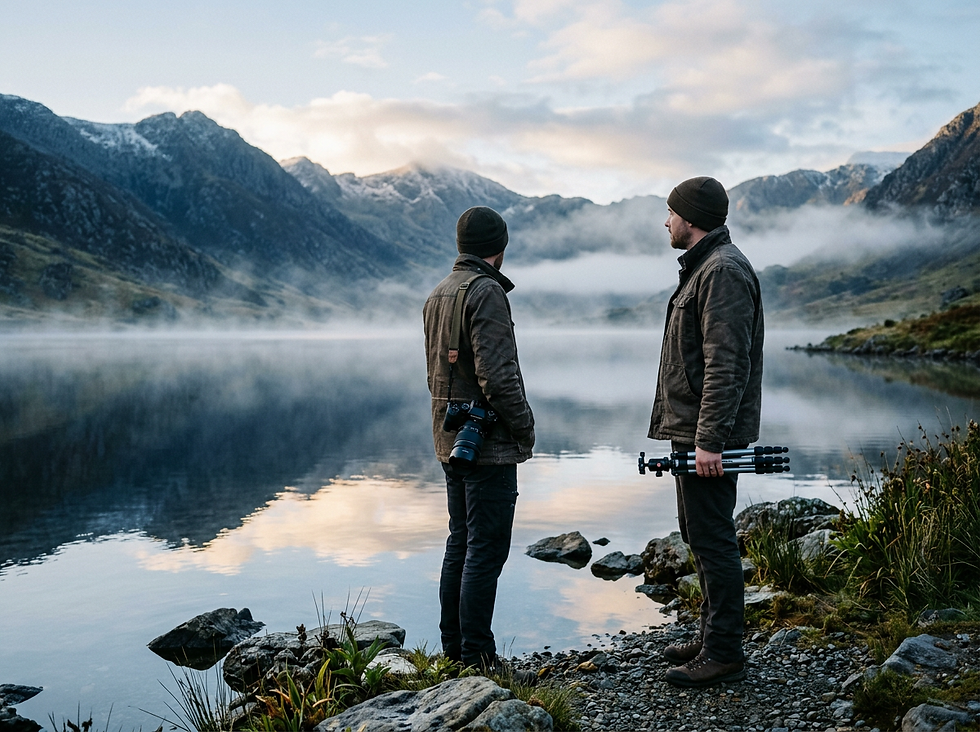
Imagine standing at the edge of a tranquil lake at dawn, the mist curling gently above the water’s surface. A photograph that captures this scene with clarity and emotion can bring that experience into your home or workspace. High-quality images do more than decorate walls; they tell stories, preserve memories, and inspire conservation.
When you buy high-quality images, you’re investing in more than just pixels. You’re supporting artists who dedicate their lives to capturing nature’s wonders. You’re also ensuring that the details—the subtle hues of a sunset, the intricate patterns on a butterfly’s wings—are preserved with precision. This level of quality invites you to linger, to explore every corner of the frame, and to feel a deeper connection with the natural world.
How to Identify Truly Exceptional Images
Finding the best images to buy high-quality images requires a keen eye and a bit of knowledge. Here are some tips I’ve gathered over time that can help you discern the gems from the ordinary:
Resolution and Clarity: Look for images with high resolution. This ensures that the photo remains sharp and detailed, even when enlarged. A blurry or pixelated image can diminish the impact of the scene.
Composition and Lighting: Great images often follow classic composition rules like the rule of thirds or leading lines. Lighting should enhance the subject, whether it’s the golden glow of sunrise or the soft shadows of a forest floor.
Authenticity: Seek images that feel genuine. Overly edited or staged photos can lose the raw beauty of nature. Authentic images often evoke stronger emotions and a sense of place.
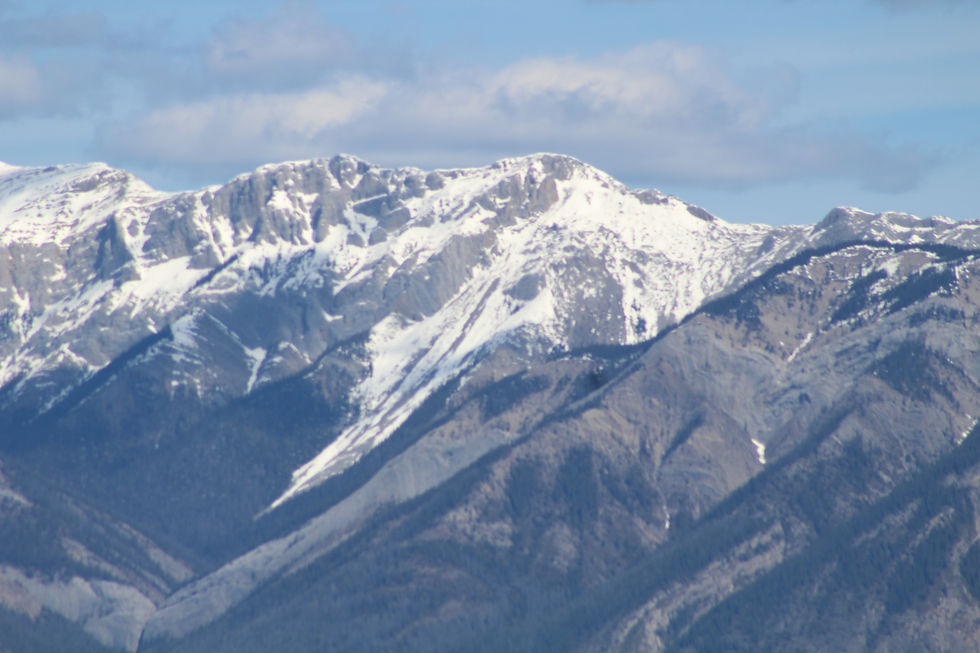
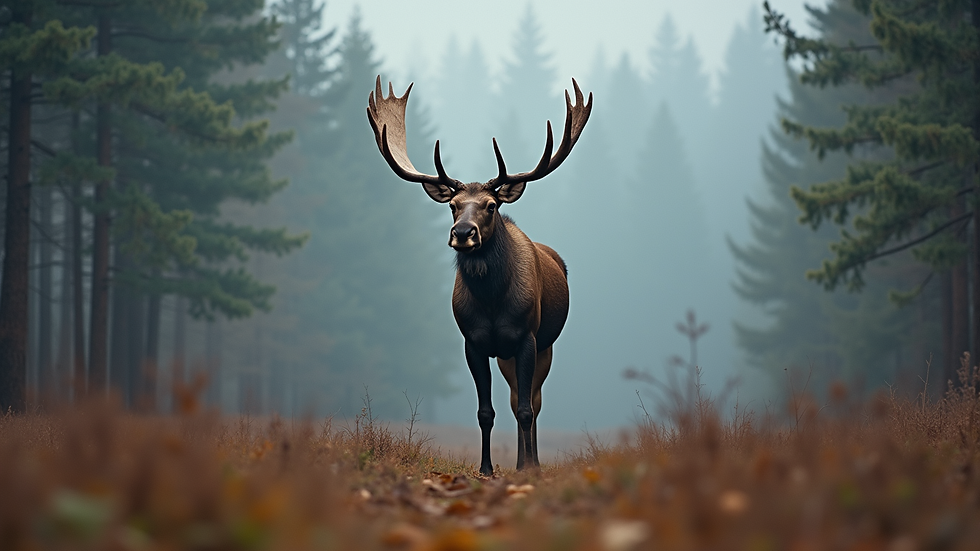
Subject Matter: Choose images that resonate with your personal connection to nature. Whether it’s a majestic moose, a delicate wildflower, or a sweeping mountain vista, the subject should speak to your heart.
Artist’s Story: Sometimes, knowing the story behind the image adds depth. Many photographers share their experiences and the challenges they faced capturing a particular shot. This narrative can enrich your appreciation.
Where to Find Images for Sale
The search for images for sale can feel overwhelming with so many options available online. However, focusing on platforms that prioritize quality and ethical sourcing can make all the difference. Here are some practical recommendations:
Specialized Nature Photography Websites: These sites often feature curated collections from photographers who specialize in wildlife and landscapes. The images tend to be high resolution and come with detailed descriptions.
Art Galleries and Exhibitions: Visiting local galleries or online exhibitions can introduce you to unique pieces that aren’t mass-produced. This also supports artists directly.
Stock Photography Platforms: While these can be hit or miss, some stock sites offer premium collections focused on nature and wildlife. Always check the licensing terms to ensure you can use the image as intended.
Direct Purchase from Photographers: Many photographers sell prints or digital files through their personal websites or social media. This option often allows for customization, such as print size or framing.
Conservation Organizations: Some nonprofits and conservation groups sell images to raise funds. Buying from these sources supports both art and environmental causes.
When browsing, keep in mind the purpose of your purchase. Are you looking for a large print to hang in your living room, or a digital image for a project? Clarifying this will guide your choice.
Tips for Displaying Your Nature Images
Once you’ve found and bought high-quality images, the next step is to showcase them in a way that honors their beauty. Here are some ideas to help your images shine:
Choose the Right Frame: Natural wood frames often complement nature photography beautifully. Avoid overly ornate frames that distract from the image.
Consider Lighting: Soft, indirect lighting can enhance the colors and details without causing glare. Picture lights or adjustable lamps work well.
Create a Gallery Wall: Grouping several images together can tell a story or highlight different aspects of nature. Vary sizes and orientations for visual interest.
Use Quality Prints: Opt for archival-quality paper and inks to ensure longevity. Matte finishes reduce reflections, while glossy finishes can make colors pop.
Rotate Your Collection: Changing images seasonally or periodically keeps your space fresh and allows you to enjoy different scenes throughout the year.
Embracing the Journey of Discovery
Finding the best images to buy high-quality images is more than a transaction; it’s a journey of discovery. Each photograph is a window into a moment frozen in time, a whisper of the wild that invites us to pause and reflect. As you explore, you’ll uncover stories of patience, passion, and the delicate balance of ecosystems.
Remember, the perfect image is one that stirs your emotions and deepens your appreciation for the natural world. Whether it’s a close-up of a vibrant maple leaf or a panoramic view of a mountain range, these images become part of your personal wilderness wonder.
So, why not start today? Dive into the world of images for sale and let the beauty of nature inspire your space and your spirit.


Comments