
Mastering Background Photo Selection Tips for Stunning Visuals
Choosing the right background photo can transform an ordinary image or design into a captivating masterpiece. Whether you are curating a gallery, designing a website, or creating art inspired by the wilderness, the backdrop sets the tone and mood. It whispers stories, evokes emotions, and invites viewers to step into a scene. I have spent countless hours exploring the nuances of selecting backgrounds that complement and elevate the main subject. Today, I want to share some of those insights with you, guiding you through the art and science of background photo selection tips that truly resonate.
Why Background Photo Selection Tips Matter
Imagine walking into a gallery where every painting is framed by a dull, mismatched background. The art loses its charm, and your eyes wander away. The same principle applies to photography and design. The background is not just filler; it is a vital part of the composition. It can either enhance the subject or distract from it.
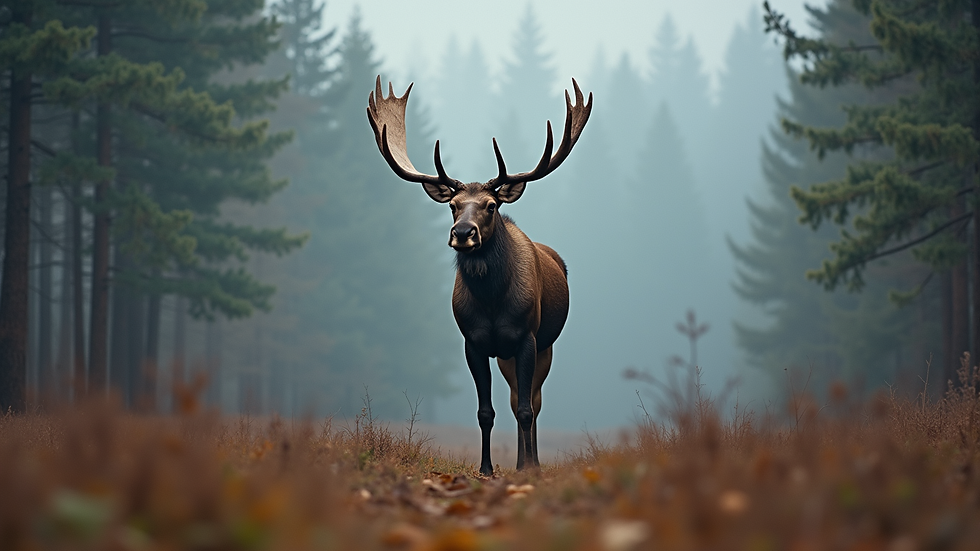
When I first started working with nature photography, I quickly realized that the background could tell as much of a story as the foreground. A misty forest behind a lone wolf, or the soft glow of a sunset behind a soaring eagle, adds layers of meaning and emotion. Here are some essential tips I’ve gathered over time:
Keep it simple: A cluttered background can steal attention. Opt for clean, minimalistic scenes that highlight the subject.
Match the mood: Warm, golden hues evoke calm and nostalgia, while cool blues and greens suggest tranquility and freshness.
Consider depth: A blurred background (bokeh effect) can create a sense of depth and focus.
Use natural elements: Trees, water, rocks, and sky often provide organic textures that complement wildlife and landscape subjects beautifully.
By thoughtfully selecting backgrounds, you invite viewers to linger longer and feel more connected to the image.

Practical Background Photo Selection Tips for Every Project
When I approach a new project, whether it’s a digital gallery or a printed art piece, I follow a few practical steps to ensure the background photo enhances the overall impact:
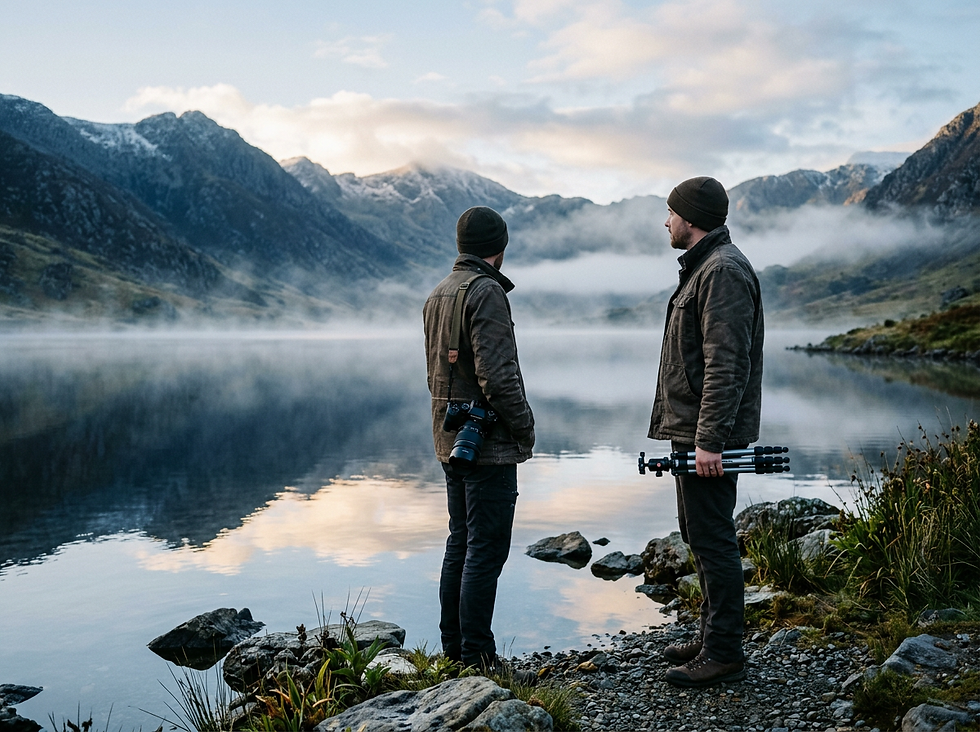
Define the purpose: What feeling or message do you want to convey? A dramatic mountain range might inspire awe, while a calm lake scene suggests peace.
Choose complementary colors: Colors in the background should harmonize with the subject. For example, a bright red bird looks stunning against muted green foliage.
Mind the lighting: Consistent lighting between subject and background creates a natural look. Avoid harsh shadows or mismatched light sources.
Test different angles: Sometimes, a slight change in perspective can reveal a more compelling background.
Use high-resolution images: Crisp, clear backgrounds maintain professionalism and visual appeal.
I often create mood boards to visualize how different backgrounds interact with my main subjects. This step helps me avoid surprises and ensures cohesion.
What is the best website for free photo backgrounds?
Finding quality free photo backgrounds can be a treasure hunt. Over the years, I have explored many resources, but a few stand out for their variety, quality, and ease of use. Here are some of my favorites:
Unsplash: Offers a vast collection of high-resolution images, including stunning nature scenes perfect for wildlife and landscape projects.
Pexels: Known for its diverse library and user-friendly search, it’s a great place to find backgrounds that fit specific moods or themes.
Pixabay: Provides a wide range of photos, illustrations, and vectors, making it versatile for different creative needs.
When selecting from these sites, I always check the licensing to ensure the images can be used freely, especially for commercial purposes. It’s also helpful to download images in the highest resolution available to maintain quality.

How to Harmonize Backgrounds with Wildlife and Nature Art
Nature art collectors and wildlife enthusiasts often seek images that feel authentic and immersive. The background plays a crucial role in achieving this harmony. Here are some tips I use to blend backgrounds seamlessly with nature subjects:
Embrace natural textures: Bark, leaves, water ripples, and clouds add tactile richness.
Avoid artificial elements: Man-made objects can break the illusion of wilderness.
Use color grading: Subtle adjustments in hue and saturation can unify the background and subject.
Incorporate seasonal cues: Snow, blossoms, or autumn leaves tell a story of time and place.
Balance focus: Use selective focus to keep the subject sharp while softening the background.
By paying attention to these details, the final image feels like a window into a living, breathing ecosystem rather than a staged scene.
Tips for Using Background Photos in Digital and Print Media
Whether your work will be displayed on a screen or printed on canvas, the choice of background photo affects the viewer’s experience. Here are some considerations I keep in mind:
Screen display: Backgrounds should not overpower text or interactive elements. Use subtle gradients or blurred images to maintain readability.
Print media: High contrast and vibrant colors often translate better in print. Ensure the background complements the print medium’s texture.
File formats: Use lossless formats like PNG or TIFF for print, and optimized JPEGs for web to balance quality and loading speed.
Consistency: Maintain a consistent style across your portfolio or website to build a recognizable aesthetic.
I often preview my work on different devices and print samples to catch any issues before finalizing.
Bringing It All Together: The Art of Background Photo Selection
Choosing the right background photo is more than a technical task - it’s an art form that requires intuition, patience, and a deep appreciation for nature’s beauty. When done well, it invites viewers to step into a scene, feel the crisp air, hear the rustle of leaves, and witness the quiet majesty of wildlife.
If you want to explore a curated collection of background photos that capture the essence of Canadian landscapes and wildlife, I encourage you to dive in and let your imagination roam free. Each image is a story waiting to be told, a moment frozen in time that can inspire awe and respect for the natural world.
By embracing these background photo selection tips, you can create visuals that not only please the eye but also touch the soul. After all, isn’t that what great art is all about?



Comments