
The Unique Appeal of Wildlife Images: Exploring Unique Wildlife Photography
There is something undeniably captivating about the raw beauty captured in unique wildlife photography. When I first stumbled upon a breathtaking image of a soaring eagle against a fiery sunset, I was instantly drawn into a world where nature’s wonders come alive through the lens. These moments, frozen in time, offer more than just visual pleasure—they tell stories, evoke emotions, and connect us deeply with the wild.
The Magic Behind Unique Wildlife Photography
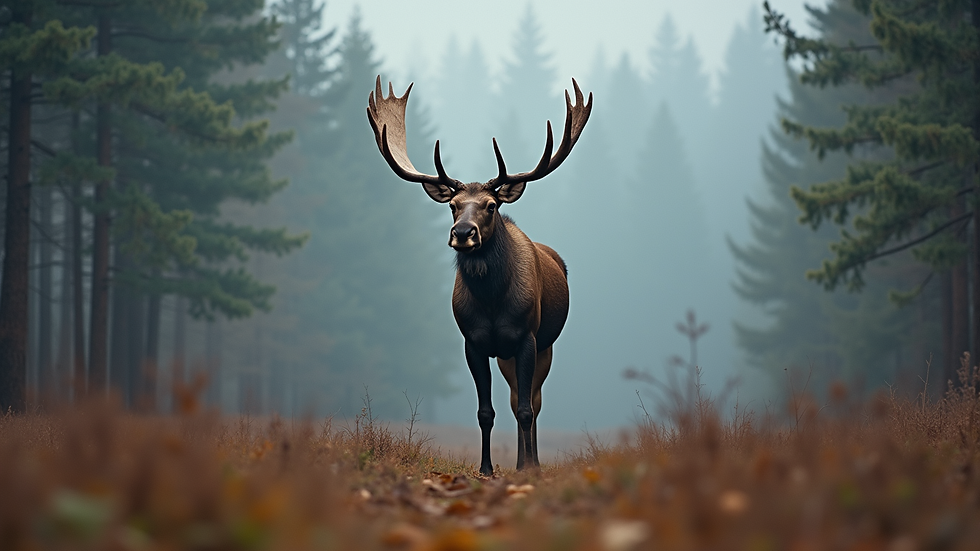
Unique wildlife photography is not just about snapping pictures of animals in their habitats. It’s an art form that requires patience, skill, and a profound respect for nature. Each photograph is a window into a moment that might otherwise go unnoticed—a fleeting glance of a fox in the snow, the delicate flutter of a hummingbird’s wings, or the serene gaze of a moose in a misty forest.
What makes this genre so special is its ability to reveal the extraordinary in the ordinary. The photographer’s eye captures subtle details: the glint of sunlight on a dewdrop, the texture of feathers ruffled by the wind, or the interplay of shadows in a dense woodland. These images invite us to pause and appreciate the intricate beauty of the natural world.
How Unique Wildlife Photography Inspires Connection
When I look at unique wildlife photography, I feel a sense of connection that transcends distance and time. These images remind me that we share this planet with countless other beings, each with their own stories and struggles. They inspire empathy and a desire to protect these fragile ecosystems.
For example, a close-up shot of a red fox’s curious eyes can spark a feeling of kinship, making us realize that wildlife is not so different from us. This emotional bond is crucial for fostering conservation efforts. By showcasing the beauty and vulnerability of animals, photographers help raise awareness and encourage responsible stewardship of the environment.
Moreover, unique wildlife photography often captures moments of interaction—between animals, or between animals and their surroundings—that highlight the delicate balance of nature. These glimpses into the wild encourage us to reflect on our role in preserving these habitats for future generations.
The Technical Artistry Behind the Lens
Creating unique wildlife photography is a blend of art and science. It demands technical expertise, from mastering camera settings to understanding animal behavior. Patience is key—sometimes waiting hours or even days for the perfect shot.
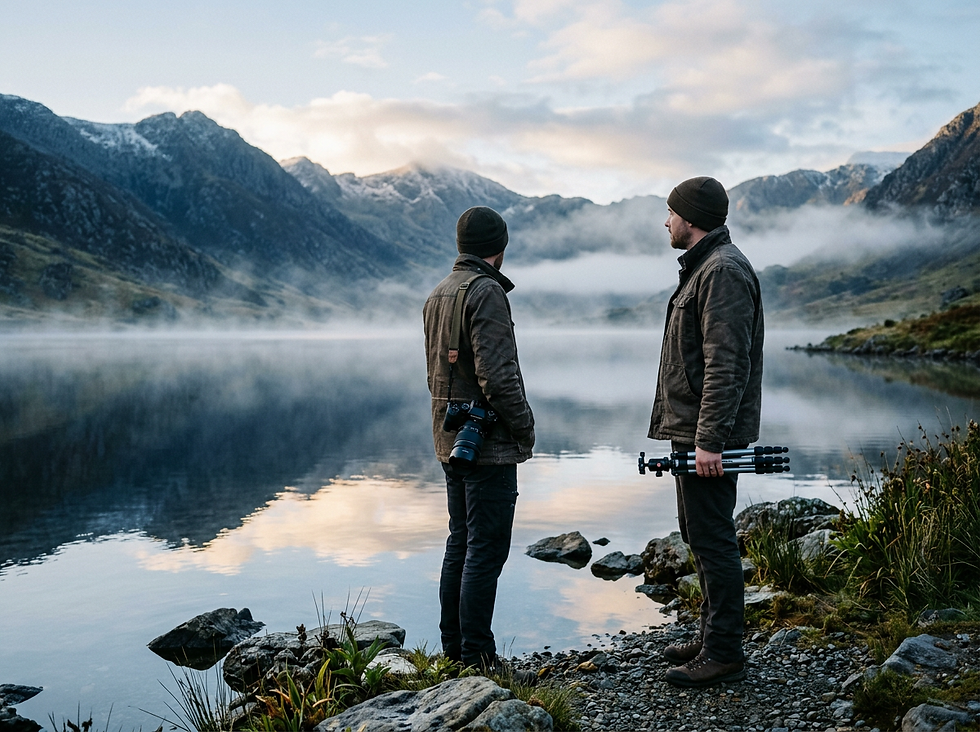
Lighting plays a pivotal role. Early morning or late afternoon light, often called the golden hour, bathes scenes in warm, soft hues that enhance textures and colors. A photographer might use a telephoto lens to capture intimate details without disturbing the subject, or a wide-angle lens to showcase the grandeur of a landscape teeming with life.
Composition is equally important. The rule of thirds, leading lines, and framing help guide the viewer’s eye and create a sense of harmony. Sometimes, breaking these rules results in striking, unconventional images that stand out.
For those interested in trying their hand at wildlife photography, I recommend starting with local parks or reserves. Observe quietly, respect the animals’ space, and experiment with different angles and lighting conditions. Over time, you’ll develop an intuitive sense of when to click the shutter.

The Role of Wildlife Images in Conservation and Art
Wildlife images serve a dual purpose: they are both artistic expressions and powerful tools for conservation. Through stunning visuals, photographers can communicate the urgency of protecting endangered species and fragile habitats.
Art collectors and nature lovers alike find value in these images—not only for their aesthetic appeal but also for the stories they tell. Displaying wildlife photography in homes or galleries fosters a deeper appreciation for the natural world and can inspire action.
Organizations dedicated to conservation often collaborate with photographers to create campaigns that highlight environmental issues. These images become ambassadors for the wild, reaching audiences who might never venture into a forest or savannah but can still feel its magic through a photograph.
If you’re drawn to collecting nature art, consider pieces that resonate with you emotionally and ethically. Supporting photographers who prioritize sustainability and respect for wildlife ensures that your collection contributes positively to conservation efforts.
Embracing the Wilderness Through Photography
Every time I immerse myself in unique wildlife photography, I am reminded of the vastness and wonder of the Canadian wilderness. The landscapes and creatures captured in these images are a testament to the richness of our natural heritage.
Whether it’s the haunting call of a loon across a misty lake or the silent glide of a snowy owl through a winter forest, these moments invite us to slow down and reconnect with the earth. They encourage us to explore, to protect, and to cherish the wild places that sustain us all.
For those who appreciate the beauty of nature, unique wildlife photography offers a gateway to endless discovery. It’s a celebration of life in all its forms—a reminder that even in a fast-paced world, the wild remains a source of inspiration and solace.
If you want to explore more breathtaking wildlife images, I encourage you to seek out galleries and exhibitions that showcase the work of dedicated photographers. Each image is a story waiting to be told, a piece of the wilderness captured forever.
The allure of unique wildlife photography lies in its ability to transport us beyond our everyday lives and into the heart of nature’s grandeur. It invites us to see the world through a different lens—one filled with wonder, respect, and a deep sense of belonging. As we admire these images, may we also find the motivation to protect the wild places and creatures that make our planet so extraordinary.



Comments